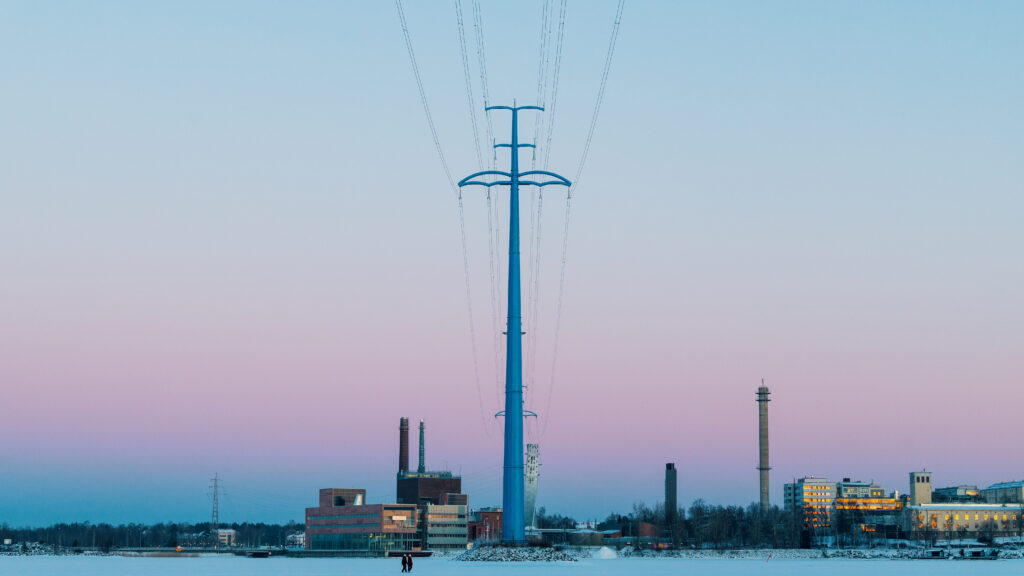
Electrification and Energy Efficiency
Electrification and energy efficiency are transforming industrial processes, buildings and transport. In the Vaasa region, expertise in electric motors, variable frequency drives, power electronics and automation provides a strong foundation for this development.
Electrification involves replacing fuel-based processes with electrically powered solutions. Energy efficiency means delivering the same output or service while consuming less energy. Together, they offer ways to reduce the use of fossil fuels and improve operational efficiency.
A variable frequency drive is a practical example of technology that can improve energy efficiency. It controls the speed and torque of an electric motor according to the needs of the process. Applications include pumps, fans, conveyors and elevators.
From Local Expertise to International Solutions
The Vaasa region’s expertise in electrical engineering has developed through industry, product development and entrepreneurship. The knowledge and expertise built around Strömberg and ABB have also laid the foundation for new companies.
Vacon was founded in Vaasa in 1993, and its expertise in variable frequency drives continues today as part of Danfoss Drives. In addition to equipment manufacturing, the technology has given rise to expertise in software, applications and control systems.
Improving Profitability Through Energy Efficiency
The Energiatehokkuudesta kannattavuutta (Improving Profitability Through Energy Efficiency) project, implemented from 2023 to 2025, promoted the adoption of energy-efficient operating practices in businesses. VASEK was the lead partner, with Merinova as a project partner.
The project addressed topics such as identifying energy efficiency measures, using building data and implementing systematic energy management. The information provided to businesses and business advisors aimed to support practical improvements and help identify opportunities to reduce costs.
NEC Uses Energy Data to Support Development
The Nordic Energy Capital, NEC project also explores energy efficiency at the city level. By using satellite and energy data, the project develops methods to identify heat losses in the built environment, for example, and assess energy consumption.
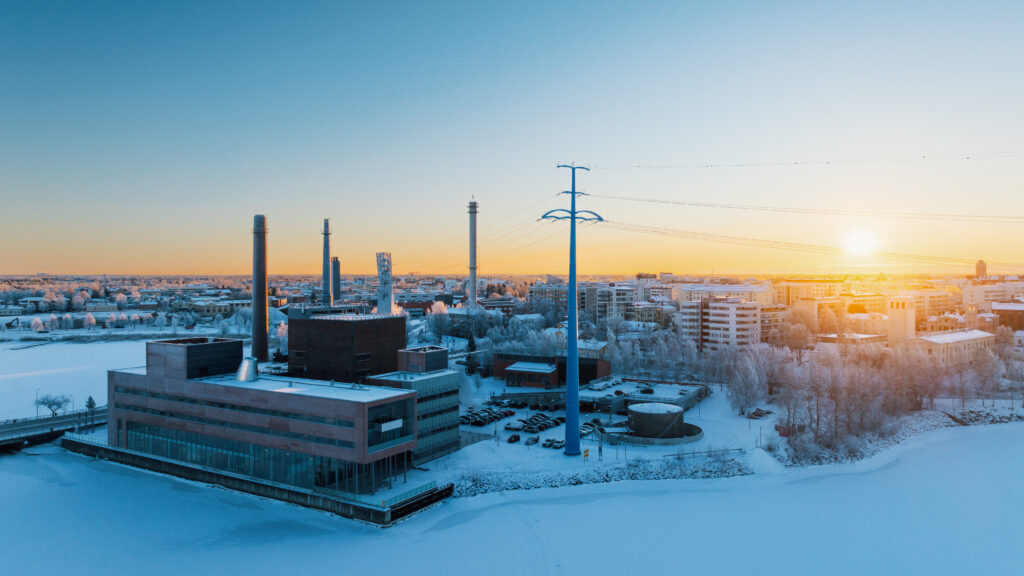
A digital twin of the Vaskiluoto energy system helps examine how electricity and heat systems interact and evaluate new solutions in a virtual environment. The aim is to support decision-making based on measured data and a comprehensive understanding of the energy system.