

Thermal Energy Systems and Sector Coupling
Heat production is being transformed through electrification, waste heat recovery and energy storage. In the Vaasa region, these solutions are being developed as part of an integrated energy system in which electricity and heat complement each other.
Sector coupling connects different parts of the energy system, such as electricity, heating, transport and industry, enabling them to work together. Surplus energy from one operator can meet the needs of another, while energy production can be scheduled more flexibly.
In practice, this can mean converting electricity into heat using electric boilers, recovering industrial waste heat for district heating or storing heat for later use. Heat pumps raise the temperature of low-temperature heat sources to a level suitable for their intended applications.
When production, storage and consumption are managed together, energy can be used more efficiently. This also creates opportunities to reduce fuel consumption, manage costs and strengthen security of supply.
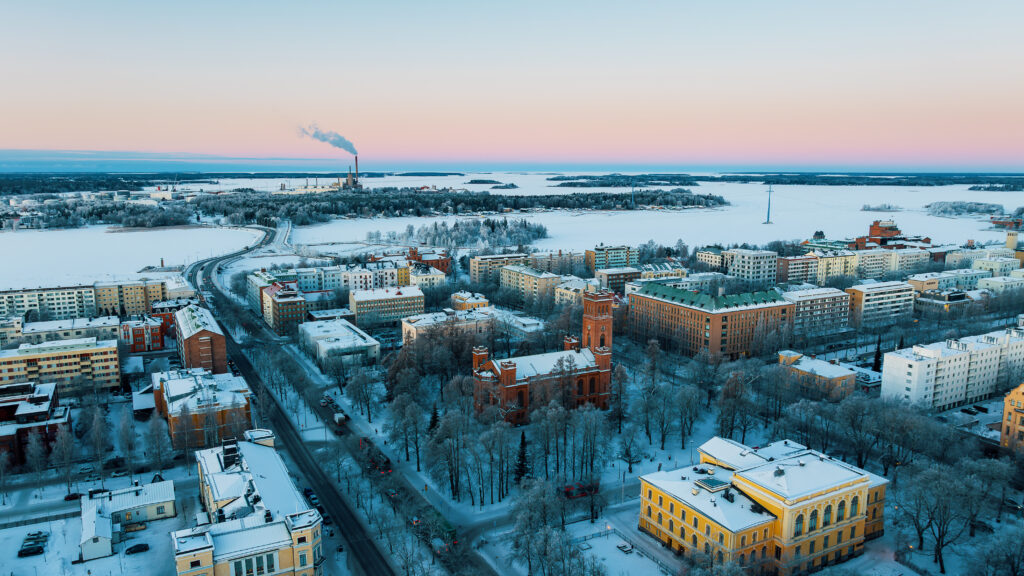
District Heating Connects Energy Production and Consumers
District heating networks enable different heat sources to be used within a single system. Heat can be produced through combined heat and power (CHP) generation, electric boilers and heat pumps, as well as recovered from energy flows that would otherwise go to waste.
Heat is distributed through the network to buildings in the form of hot water. A building’s heat exchanger transfers the heat to space heating and domestic hot water systems, after which the cooled district heating water returns to be reheated.
The story of district heating in Vaasa demonstrates how an energy system built over several decades can be modernised step by step. Production facilities, thermal energy storage, electricity markets and data-driven control are all part of an integrated system that provides residents with reliable heating.
Vaasa as a Real-World Development Environment
Electricity, Heat and Energy Storage Work Together in Vaskiluoto
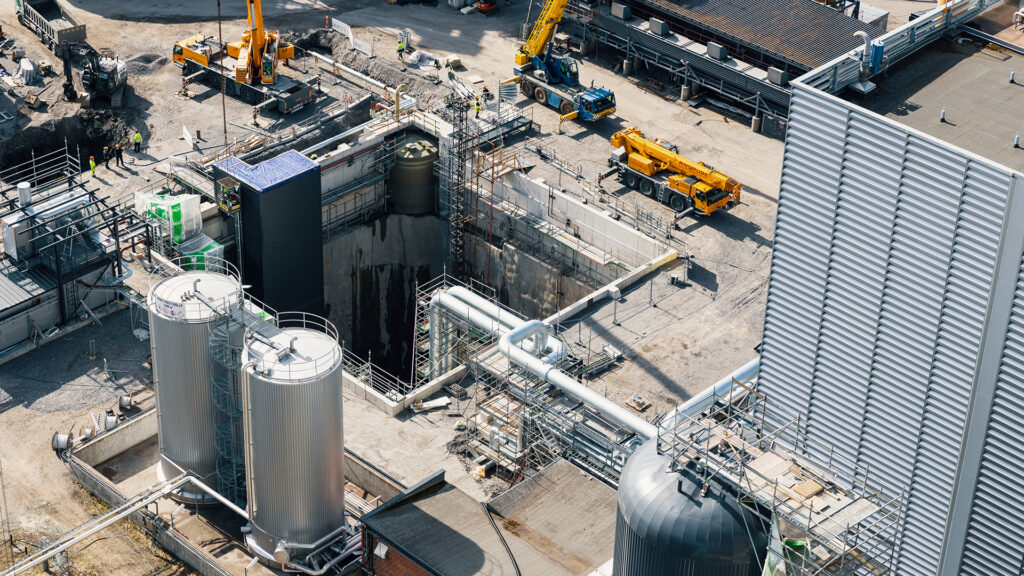
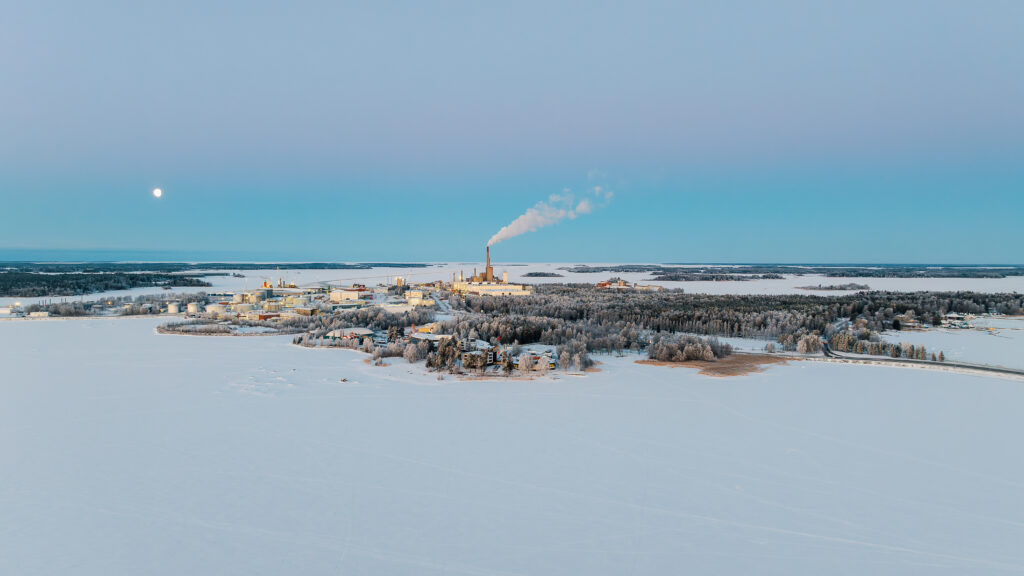
he Vaskiluoto energy system combines electric boilers, combined heat and power generation and a large underground thermal energy storage facility. An expansion completed in 2026 increased the storage capacity to approximately 17 gigawatt-hours.
Energy storage makes it possible to separate the timing of heat production from heat consumption. Heat can be produced and stored when electricity is readily available and economically attractive to use. The stored heat can then be supplied to the district heating network when needed.
The integrated system demonstrates the benefits of sector coupling: an energy system designed to meet heating needs also provides flexibility in electricity consumption.
Nordic Energy Capital Develops the System Through a Digital Twin
The Nordic Energy Capital project is developing a digital twin, or virtual model, of the Vaskiluoto energy system. The model enables the interaction between electricity and heat to be studied and new solutions to be evaluated before implementation.
The modelling examines high-temperature heat pumps, the heating needs of the industrial area and their integration with the district heating system. The project also explores opportunities to make more efficient use of industrial waste heat.
Merinova participates in the project, led by the City of Vaasa, together with the University of Vaasa, EPV Energy, Vaasan Sähkö and the Vaasa 4H Association. International collaboration supports the adaptation of solutions developed in Vaasa to meet the needs of other European cities.